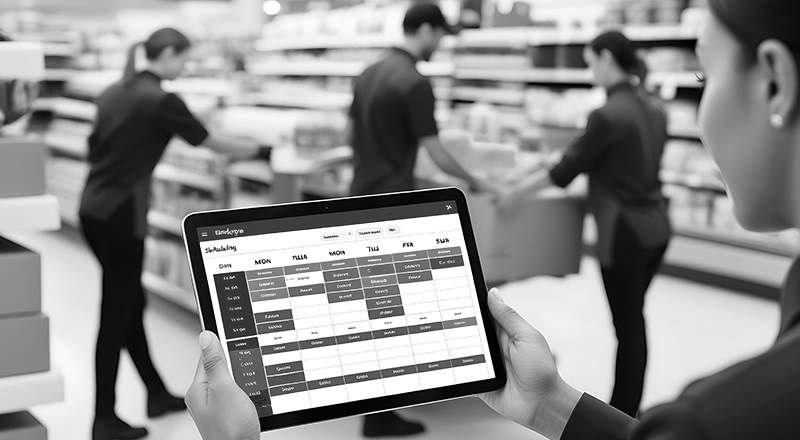
Retail execution software is a tool that helps brands track and manage what actually happens at the store level. It shows whether products are in stock, displayed correctly, priced right, and visible the way a brand intended. In plain terms, it replaces paper checklists and phone call updates from field staff. Instead, a system captures store visits, photos, stock counts, and compliance data in real time. For an FMCG brand selling across thousands of outlets in India, that difference matters a lot. Guessing what is happening on shelves is very different from actually knowing it. That difference can decide whether a brand spends a trade budget well or wastes it quietly.
Most brands start looking for this kind of software once field operations outgrow spreadsheets. A regional sales team covering fifty stores can manage with phone calls and manual reports. A national FMCG brand cannot do the same. It covers several thousand outlets across general trade, modern trade, and quick commerce. Without proper software, it loses visibility into large parts of its own retail network.
This guide breaks down what retail execution software actually does. It also covers what separates a genuinely useful platform from a glorified reporting app. Finally, it shows what an Indian FMCG or retail brand should check before signing a contract.
Retail Execution Software: What It Actually Does
At its core, retail execution software connects three groups. These groups usually operate on different information. The field team visits stores. The head office sets targets. The brand tries to understand whether its trade spend is working. Field staff log store visits, capture photos of displays, and record stock levels. They also flag issues like an expired promotion or a missing planogram element. That data flows back to a central dashboard. There, regional and national managers can see patterns across hundreds or thousands of outlets at once.
The software itself is not the strategy. It is the layer that makes a strategy verifiable. A brand can design the best trade marketing plan in the country. But that plan means little without a system to confirm it is actually happening on the ground. Without that system, there is no real way to tell a well executed store from a poorly executed one. Nothing may have changed even after the brand announced the trade scheme.
Why Retail Execution Matters More in India’s Fragmented Retail Market
India’s retail base spans general trade kirana stores, organised modern trade chains, and a fast growing quick commerce layer. Each of these channels runs on its own rhythm. Each also has its own reason for needing verified execution data. A brand running trade schemes across all three channels faces a real constraint. It cannot rely on one retail buyer confirming compliance for the entire market. That single-buyer approach might work in a more consolidated retail economy, but not in India.
Field coverage across a country this large also means something else. Field staff work far from head office oversight most of the time. Without a system logging visits with timestamps and photos, confirmation becomes difficult. There is little way to confirm that a store visit actually happened. There is even less way to know whether that visit resulted in a properly stocked, well displayed shelf.
Core Features Worth Checking Before You Buy
Not every retail execution platform covers the same ground. A few features consistently separate two kinds of tools. Some tools actually change field behaviour. Others just digitise a paper form.
Field Reporting and Photo Audits
This is the base layer. Field staff log store visits with time-stamped photos, stock counts, and structured checklists rather than free-text notes. Photo evidence matters most here. It turns a claim of compliance into something a manager can actually verify. The manager does not even need to visit the store personally.
Sales and Performance Tracking
Good platforms connect field activity to actual sales outcomes. They show which stores, regions, or field representatives are driving results. They also flag which ones need attention. Without this link, a brand ends up with a large volume of field data. That data never actually informs a business decision.
Approval Workflows
Budget approvals often stall, especially for trade scheme payouts and marketing spend. They wait on whoever happens to be reachable that day. A built-in approval matrix fixes this. It routes requests automatically to the right person based on amount and category. That routing shortens the gap between a request and a decision considerably.
Competitor and Market Intelligence
Field teams visit stores every day. They are often the first to notice a competitor’s new pricing, a fresh promotional display, or a shift in what is actually selling. Platforms that capture this kind of observation give a much fuller picture of what is happening at retail. They go beyond only tracking a brand’s own compliance.
Dashboards and Data Visualisation
Raw field data is only useful if someone can act on it quickly. Dashboards matter here. Good ones surface store-level, regional, and national trends in a format a sales manager can scan in a few minutes. That format matters far more than a system that buries insight inside dense spreadsheets. Nobody has time to open those spreadsheets anyway.
Retail Execution Software vs Manual Field Processes
Manual field processes rely on phone calls, WhatsApp photo updates, and periodic written reports. These reports often reach head office days or weeks after the actual store visit happened. By the time an issue surfaces, the shopping window it affected has often already closed.
A proper retail execution platform closes that gap considerably. Store visit data becomes visible the same day, sometimes within minutes. That speed matters. A regional manager can catch a compliance issue while there is still time to fix it. The alternative is reading about the issue in a report someone generates after the promotion has already ended.
The other change is accountability. When a store visit only exists as a verbal update, there is no independent record of what actually happened. A logged, photographed, timestamped entry changes that. Both the field representative and the store owner know the visit is verifiable. That knowledge tends to improve compliance on its own, even before any escalation happens.
Common Mistakes Brands Make When Buying Retail Execution Software
Many brands choose a platform based purely on its feature list. They skip checking whether field staff can actually use it on a basic smartphone with patchy network coverage. That is a frequent and costly mistake. A system that works perfectly in a product demo can fail badly in a small town where connectivity drops constantly.
Skipping proper field team training is another common trap. Even a well designed platform fails under one condition. The people entering data every day must understand why the extra steps matter. Without that understanding, they end up treating the whole process as a box-ticking exercise. It becomes a checklist ritual rather than a genuine record of store conditions.
Buying a system that only reports data also limits the return on the investment considerably. That is especially true if the system never connects to approval workflows or sales outcomes. Reporting alone tells a brand what happened. It does not help that brand act faster the next time something needs fixing.
Retail Execution Software: A Practical Buyer’s Checklist
Confirm the platform works offline or on low bandwidth. Large parts of India’s retail network sit in areas with inconsistent connectivity. A tool that requires constant signal will simply not work there. Field staff will not use it.
Check whether the platform links field data to actual sales performance, not just compliance checklists. That link matters, since it lets the information genuinely inform where budgets and attention go next.
Ask how quickly dashboards update once a field representative logs a visit. Same-day visibility matters, since it lets a manager act on an issue while there is still time to fix it.
Look for built-in approval workflows. Avoid a system that only tracks activity and leaves budget decisions to a separate, slower process outside the platform.
Finally, ask the vendor how the platform performs across general trade, modern trade, and quick commerce specifically. Do not accept a generic answer. The same tool rarely serves all three channels equally well without some adjustment.
How Retaspect Supports Retail Execution for FMCG and Retail Brands
Retaspect’s technology solutions cover the core pieces of retail execution that Indian FMCG and retail brands need. These include sales and performance tracking, customised dashboards, and an approval matrix for faster budget decisions. They also include competition tracking, market sensing, and a DMS-ready app for managing operational documents across locations. These tools work alongside field teams from Retaspect’s staffing and deployment services. That pairing matters, since people can act on execution data, not just collect it. Those same people can actually walk into a store and fix what the data shows.
Brands often manage execution across hundreds or thousands of outlets in India. For them, one combination matters most: software paired with on-ground field presence. That combination tends to matter more than any single feature on a vendor’s checklist.
Field Execution Tools Decide Real Retail Wins
Retail execution software will not fix a weak trade strategy. But it will tell a brand honestly whether a good strategy is actually reaching the shelf. India’s retail market is fragmented and geographically spread out. In a market like this, honest visibility often makes the real difference. It separates a trade plan that only looks strong in a presentation from one that shows up consistently in stores.
The right choice depends on more than a long feature list. It depends on whether field teams will actually use the platform. It depends on whether the data connects to real decisions. And it depends on whether the platform holds up across every retail format a brand sells through. That includes the formats that are not just the easiest one to manage.
Frequently Asked Questions About Retail Execution Software
What is the difference between retail execution software and a CRM?
A CRM manages relationships and sales pipeline data, usually for business customers. Retail execution software manages store-level activity: visits, compliance, stock, and merchandising standards across physical retail outlets.
Is retail execution software only useful for large FMCG brands?
No. Smaller brands with limited field teams often benefit even more. They cannot afford to lose visibility into the few outlets they do have coverage in. Manual tracking also becomes unreliable quickly, even at a modest scale.
Does retail execution software work in areas with poor internet connectivity?
Good platforms work offline by design. They store data locally on a field representative’s device and sync once a connection becomes available. That design matters considerably in India’s smaller towns and rural markets.
How long does it take to see results after adopting retail execution software?
Visibility into field activity usually improves within the first few weeks. Measurable gains in compliance and sales performance typically take longer. That delay happens because results depend on how consistently teams act on the data, not just collect it.
Recent Posts
-
 In-Store Promoters: How They Drive Retail Sales and Brand Visibility
 -
 Retail Execution Software: A Buyer’s Guide for Indian Brands
 -
 General Trade vs Modern Trade: A Dual-Channel Strategy for Indian Retail Brands
 -
 What is Trade Marketing? How FMCG Brands Win at Retail in India
 -
 The Importance of Below-The-Line (BTL) Marketing During the Festive Season